Introduction: The Hidden Power of Lubrication
In industrial environments—from textile and steel plants to cement and power generation facilities—lubrication plays a critical yet often underestimated role. More than just reducing friction, modern lubrication management has evolved into a data-driven science that influences energy efficiency, equipment lifespan, and sustainability goals.
An Advanced Lubrication Management System (ALMS) integrates smart sensors, condition monitoring, and predictive analytics to ensure every machine operates at peak performance. This fusion of tribology, material science, and industrial data is redefining how industries approach reliability.
The Evolution of Industrial Lubrication
Traditional lubrication practices relied on time-based replacement schedules and manual inspections. These methods often led to under- or over-lubrication, resulting in unnecessary downtime, waste, and premature equipment wear.
ALMS introduces a predictive approach—using oil analysis, viscosity trends, and contamination data to make precise, real-time maintenance decisions. By adopting IoT-enabled systems and digital dashboards, industries can now visualize the health of critical assets before failure occurs.
Key Components of Advanced Lubrication Systems
-
Condition Monitoring Sensors: Track temperature, pressure, and particle contamination continuously.
-
AI-Based Analytics: Identify frictional anomalies and predict lubricant degradation.
-
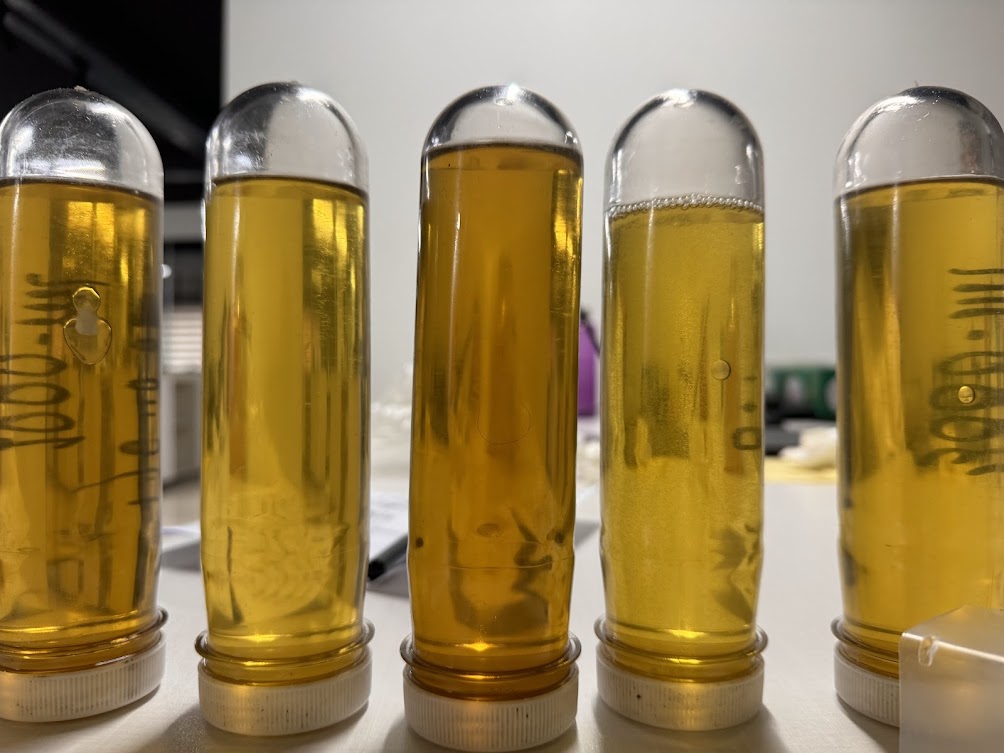
Integrated Oil Analysis Programs: Evaluate viscosity, TAN/TBN, oxidation, and wear metals.
-
Automated Lubrication Systems: Deliver the right quantity of lubricant at the right time.
-
Digital Maintenance Dashboards: Provide performance insights and trend forecasting.
These components work together to create a closed-loop reliability framework—where data feedback drives proactive maintenance rather than reactive repair.
Equipment Longevity Through Precision Tribology
Friction and wear are inevitable, but their impact can be minimized. By using bio-based or nano-additive lubricants, surface coatings, and optimized viscosity grades, ALMS ensures that lubrication films remain stable under variable load and temperature conditions.
Studies show that advanced lubrication strategies can extend component life by 20–40% while cutting lubricant waste by up to 30%. Improved film strength and cleaner oil also reduce mechanical vibration, corrosion, and thermal degradation.
Operational Efficiency and Energy Savings
Energy losses due to friction account for nearly 25% of industrial power consumption worldwide. Advanced lubrication management directly addresses this by reducing coefficient of friction and optimizing fluid performance.
Industries implementing ALMS have reported measurable gains:
-
5–10% improvement in equipment efficiency
-
Reduced maintenance frequency
-
Fewer unplanned shutdowns
-
Lower total cost of ownership (TCO)
When combined with predictive maintenance and quality control systems, lubrication becomes a strategic lever for both energy management and environmental sustainability.
Digital Transformation & Sustainable Manufacturing
The integration of AI, IoT, and data analytics allows lubrication systems to evolve beyond maintenance tools into intelligent reliability platforms. By connecting lubrication data with ERP and quality systems, plant managers can make informed decisions that align with ISO 55000 asset management standards.
Furthermore, adopting eco-friendly lubricants and condition-based maintenance aligns with corporate ESG and carbon-reduction objectives—making ALMS a critical part of modern green manufacturing strategies.
Conclusion: The Future of Smart Lubrication
Advanced Lubrication Management Systems are not just technical upgrades—they’re strategic innovations shaping the future of industrial reliability and sustainability. As industries transition toward Industry 4.0, lubrication will remain a vital link between mechanical performance and digital intelligence.
By embracing smart monitoring, data analytics, and sustainable materials, we can ensure machines last longer, consume less energy, and operate with minimal environmental impact—driving a new era of responsible industrial engineering.