Understanding cultural perspectives in gambling How beliefs shape behavior and outcomes
Cultural Significance of Gambling
The cultural significance of gambling varies widely across different societies and can be deeply rooted in traditions and beliefs. In some cultures, gambling is viewed as a form of entertainment and social interaction, reflecting community values and fostering connections among individuals. For example, in many Asian cultures, games such as Mahjong are not merely pastimes but also rituals that bring families and friends together, reinforcing bonds and celebrating shared history. Additionally, many players today turn to online platforms like https://milkywinscasino.co.uk/ to experience various gaming options and cultural nuances.
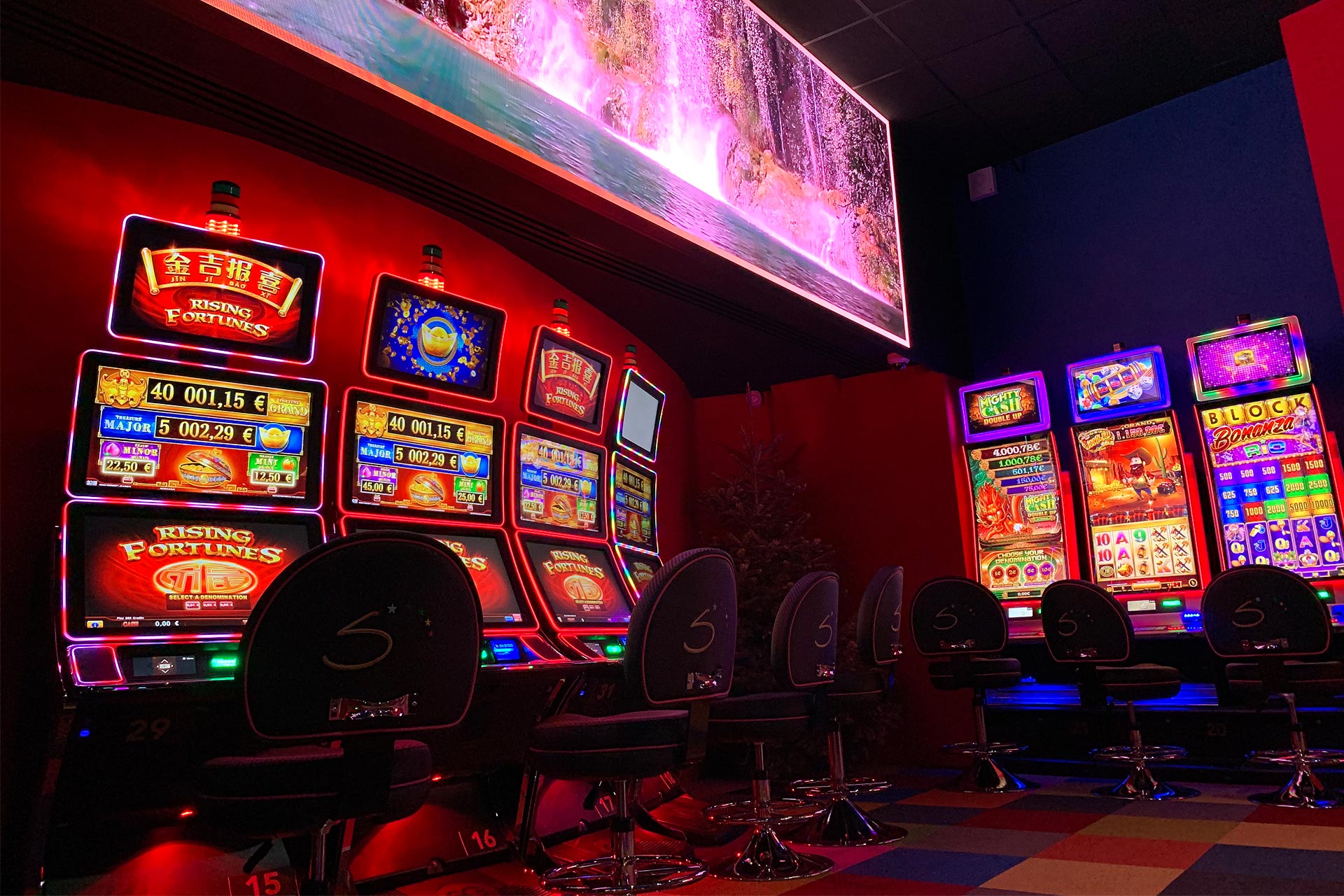
Conversely, in other societies, gambling may carry negative connotations, associated with moral dilemmas or economic pitfalls. In these cultures, gambling may be seen as a vice that can lead to addiction and social decay. This dichotomy illustrates how beliefs shape public perceptions of gambling and influence not only participation rates but also the societal response to gambling-related issues.
Additionally, the way gambling is integrated into cultural practices can affect the behavior of participants. For instance, indigenous communities may engage in betting as part of traditional ceremonies, where the stakes are symbolic rather than monetary. These practices highlight the importance of viewing gambling through a cultural lens, where beliefs and values inform both the motivation to gamble and the resulting social dynamics.
Beliefs and Risk-Taking Behavior
Beliefs significantly influence risk-taking behavior in gambling contexts, often dictating how individuals approach games of chance. For many, cultural beliefs about luck and fate play a pivotal role in their gambling strategies. For instance, some cultures place a high value on superstitions, leading individuals to engage in specific rituals or behaviors before gambling, such as wearing lucky clothing or carrying talismans. These practices stem from the belief that such actions can enhance their chances of winning.
Moreover, the perception of luck can differ greatly among cultures, impacting how risk is assessed and decisions are made during gameplay. In cultures where luck is seen as a pivotal factor, players may be more likely to take risks, believing that fate will ultimately guide them. On the other hand, in cultures that emphasize skill and strategy, players may adopt a more calculated approach, relying on their abilities to influence outcomes rather than leaving it to chance.
This cultural lens on risk-taking behavior extends beyond individual practices to influence broader gambling trends. Regions with a higher acceptance of gambling may see more significant participation rates, as people feel emboldened by their cultural frameworks that endorse these activities. Understanding these behaviors allows for a deeper comprehension of gambling’s role in societal dynamics and individual psychology.
Social Norms and Gambling Participation
Social norms surrounding gambling significantly shape participation rates and behaviors within different communities. In cultures where gambling is socially accepted, such as in parts of Europe, individuals may feel more inclined to engage in gambling activities without facing societal backlash. In contrast, in societies where gambling is frowned upon, individuals may experience stigma, leading to lower participation and potentially hiding their gambling activities.
The role of peer influence cannot be underestimated either; individuals often look to their social circles for cues on acceptable behavior. In cultures that celebrate gambling, participation might be encouraged through community events or social gatherings centered around games of chance. This communal approach can diminish feelings of guilt or apprehension, as collective participation normalizes the activity and reinforces its acceptance.
Furthermore, the impact of social norms can also be seen in regulations and policies surrounding gambling. For instance, countries that view gambling positively may have more lenient laws, promoting a thriving gambling industry. Conversely, stringent regulations in cultures opposed to gambling reflect the prevailing beliefs about its risks and moral implications, affecting how businesses operate and how individuals engage with gambling activities.
The Role of Media and Technology
Media and technology play influential roles in shaping cultural perspectives on gambling. The portrayal of gambling in films, television, and online platforms can significantly impact public perceptions. Positive representations can glamorize the lifestyle associated with gambling, often portraying it as an exciting and glamorous endeavor, which may entice individuals to participate. This kind of exposure reinforces cultural acceptance and can shift social norms in favor of gambling.
Moreover, the rise of online gambling platforms has revolutionized access and participation, particularly among younger generations. With technology breaking down barriers, gambling has become more normalized in many cultures. The ability to access games from anywhere has changed the landscape of gambling, making it a ubiquitous form of entertainment. This increase in availability can further alter beliefs about gambling, as it becomes integrated into daily life.
However, there is also a darker side to this technological shift. Increased exposure to gambling-related media can lead to normalization of risky behaviors and may contribute to addiction issues. Responsible gambling initiatives often stem from the need to balance the excitement of gambling with the potential risks associated with compulsive behavior. Understanding the impact of media and technology is crucial for addressing both the positive and negative aspects of gambling in various cultural contexts.

Milky Wins Casino and Cultural Perspectives
Milky Wins Casino exemplifies the intersection of culture and modern gambling practices, offering a platform tailored to diverse player preferences. By providing a wide range of games and a user-friendly interface, the casino caters to different cultural beliefs about gambling, ensuring that players feel comfortable and engaged. The cosmic theme reflects a contemporary twist on gambling culture, attracting a broad audience that appreciates both tradition and innovation.
The casino’s commitment to responsible gaming acknowledges the varying cultural perspectives on gambling, promoting safe practices while allowing players to enjoy the thrill of the game. By offering generous bonuses and fast payments, Milky Wins enhances the overall experience, aligning with cultural expectations for value and entertainment in gambling. This balance helps bridge the gap between traditional beliefs and modern gaming practices.
Ultimately, Milky Wins Casino embodies a microcosm of how cultural perspectives shape gambling behaviors and outcomes. By understanding these cultural dynamics, the casino can better serve its players, creating a positive environment that recognizes the complex interplay between beliefs, behaviors, and gambling. This awareness not only enhances user experience but also contributes to the broader conversation about gambling in a culturally diverse society.